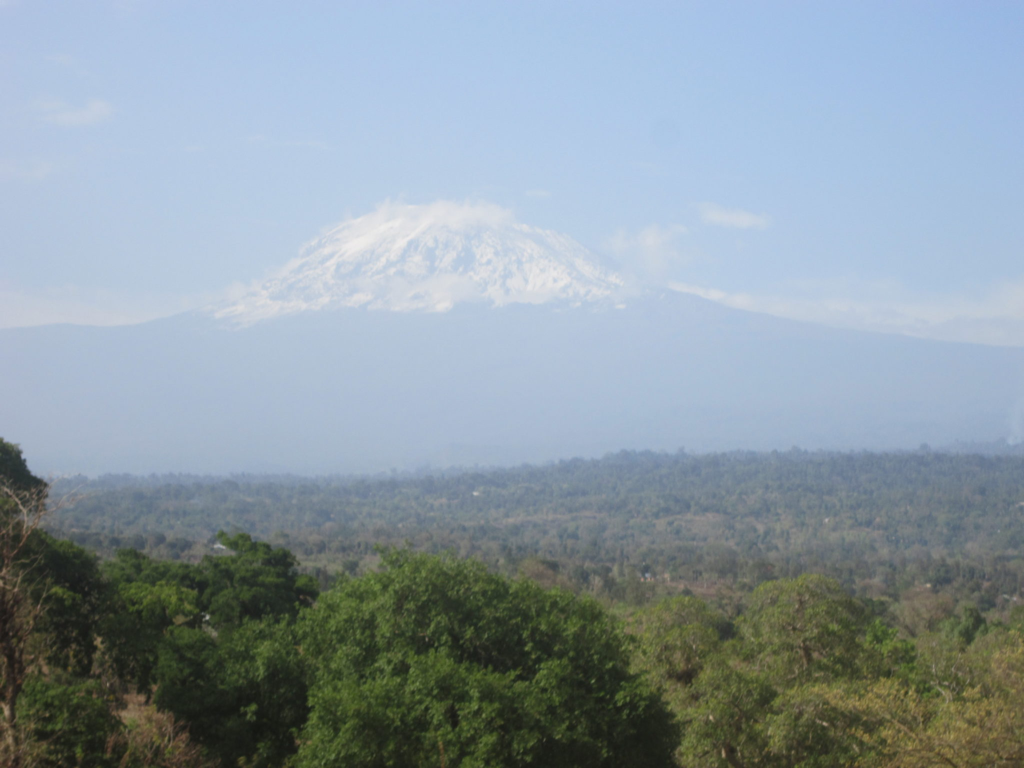
why should you visit mkomazi national park? 🦏

Mkomazi National Park is located in northeastern Tanzania on the Kenyan border, in Kilimanjaro Region and Tanga Region. It was established as a game reserve in 1951 and upgraded to a national park in 2006.
Mkomazi National Park has a truly spectacular wilderness! It provides a common base for migratory herds and has a classic arid areas.


The park covers over 3,234 square kilometres (323,400 ha), and is dominated by Acacia-Commiphora vegetation; it is contiguous with Kenya's Tsavo West National Park. The area commonly called 'Mkomazi' is actually the union of two previous game reserves, the Umba Game Reserve in the east (in Lushoto District, Tanga Region) and the Mkomazi Game Reserve in the west (in Same District, Kilimanjaro Region); in government documents they are sometimes called the Mkomazi-Umba Game Reserves. Of the two, Mkomazi is larger, and has more diversity of relief and habitat, and a longer shared border with Tsavo West National Park. In the rest of this entry, 'Mkomazi' will refer to both the Mkomazi and Umba reserves together.
Over 450 species of birds have been recorded in the park.


It has a number of uniqueness. It is among few protected areas in Tanzania with large and visible population of gerenuk (long-necked antelope) and massive concentration of Beisa Oryx (Bovidae family).
Here are the most common reasons why you need to visit Mkomazi National Park 
1. The park is not well known and because of that it has its charm. It’s not crowded and the animals are acting natural.
2. So many species can be found including the big five.
3. Mkomazi is vital refuge for 2 highly endangered species, the charismatic black rhino and sociable African wild dog.
4. It’s a cheap alternative for the Northern national park.
Among the activities that can be performed while around at mkomazi national park are such as follows:-
i) game drives.


ii) walking safaris.
iii) mountain hikes.
iv) bird watching.


So these are just some of the few facts about mkomazi national park, keep visiting my blog for more valuable information about wildlife. Thanks very much for reading, drop your comment below and don’t forget to share to your loved ones , friends and colleagues . Tchao.
email:lusubilokayange@gmail.com
whatsapp: +255626101470 
thanks very much for your precious time.


Comments

Popular posts from this blog

10 National Parks in Tanzania Every Wildlife Lover Should Know

Tanzania is one of Africa’s most remarkable wildlife destinations, home to vast savannas, forests, mountains and some of the continent’s most iconic animals. Here are 10 national parks in Tanzania every wildlife lover should know. 1. Serengeti National Park 🦁 Famous for the Great Migration , Serengeti is home to lions, elephants, cheetahs, leopards, giraffes and many other species. 2. Nyerere National Park 🐘 One of Africa’s largest protected areas, known for elephants, hippos, crocodiles, wild dogs and boat safaris along the Rufiji River. 3. Ruaha National Park 🐘 Known for its large elephant population, spectacular landscapes and rich diversity of wildlife. 4. Tarangire National Park 🐘 Famous for huge baobab trees and large concentrations of elephants, especially during the dry season. 5. Lake Manyara National Park 🦩 A diverse park featuring forests, wetlands and the famous alkaline Lake Manyara, with elephants, birds and other wildlife. 6. Mikumi National ...

10 Amazing Facts About African Elephants You Probably Didn’t Know

African elephants are among the most fascinating animals on Earth. From their incredible memory to their complex social lives, these giants play an important role in Africa’s ecosystems. Here are 10 amazing facts about African elephants you may not know. 1. African elephants are the world’s largest land animals The African bush elephant ( Loxodonta africana ) is the largest living land animal. Adult males can weigh several tonnes and stand more than 3 metres tall at the shoulder. 2. Their ears help them stay cool African elephants have large ears filled with blood vessels. By moving their ears, they help release body heat, an important adaptation to Africa’s hot climate. 3. Elephants use their trunks for many things An elephant’s trunk is used for breathing, smelling, touching, drinking, feeding and communication. It contains tens of thousands of muscles, giving it remarkable strength and flexibility. 4. They communicate in ways humans cannot always hear Elephants pr...

22 IMPORTANT POPULATION ECOLOGY TERMS

1. POPULATION Is a group of individuals of the same species that interact with each other in the same place at the same time. 2.  DEMOGRAPHY: The study of vital statistics of a population, including birth and death rates, age of first breeding, and fecundity. 3. BIRTH RATE: The average number of births per individual per unit of time. 4. DEATH RATE: The average number of deaths per individual per unit of time. 5. CARRYING CAPACITY (K): is the maximum population size of the species that the environment can sustain indefinitely, given the food, habitat, water, and other necessities available in the environment. The point where the realized growth of a population equals zero due to density-dependent factors that affect birth and death rates. 6. DENSITY : The number of individuals per area within the range of a species. 7. DENSITY- DEPENDENT FACTORS: Factors (e.g., disease, starvation, lack of nesting space) that cause declines in birth rates or increases in death rates due to intra...